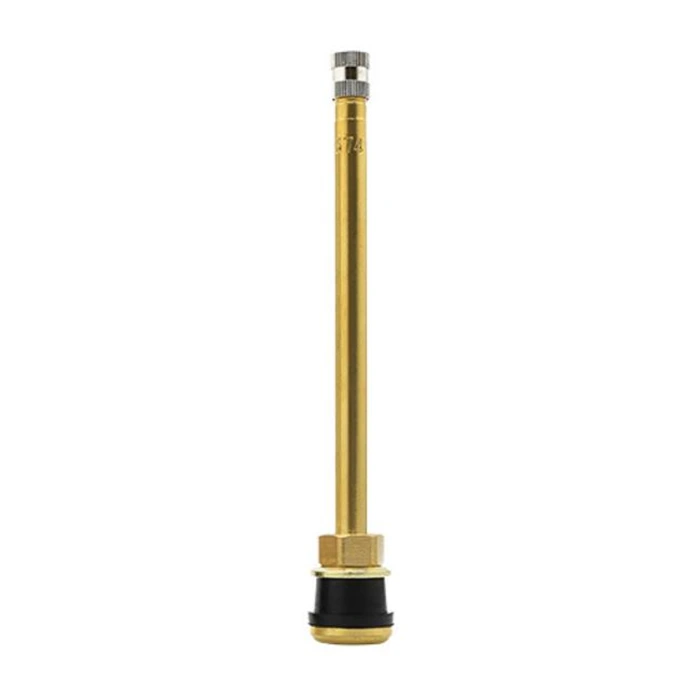
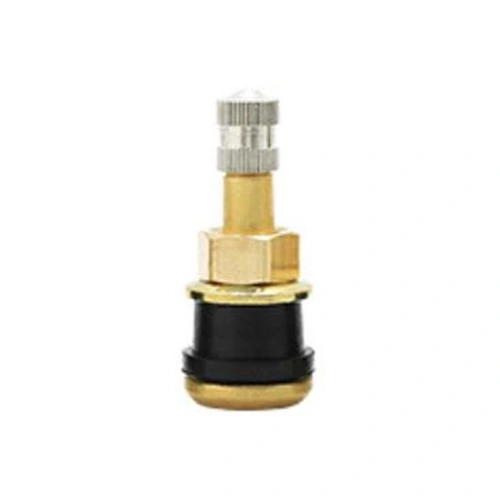
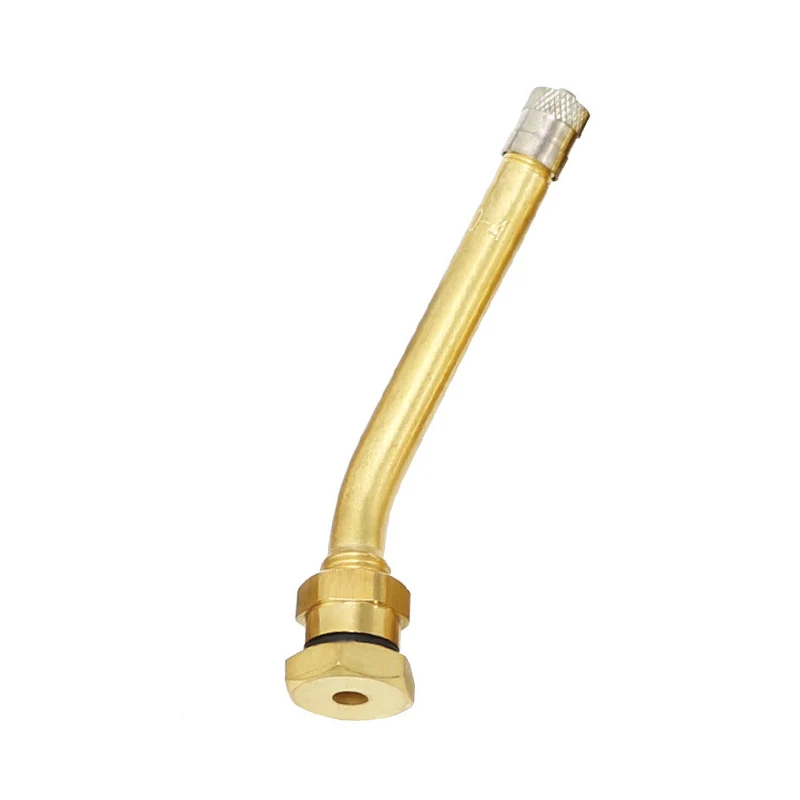
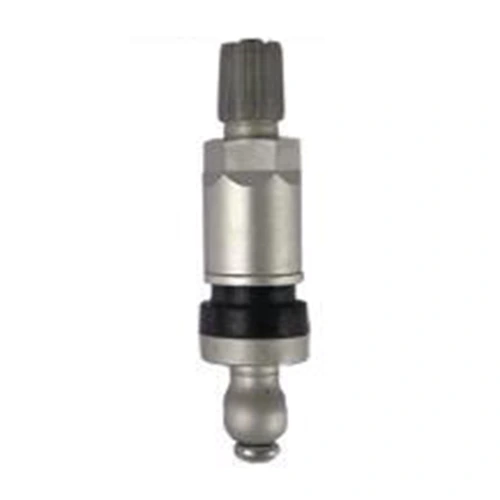
Car tire valves play a critical role in maintaining proper tire pressure, enhancing driving safety, reducing fuel consumption, and extending tire lifespan. By controlling airflow into and out of the tire, these components ensure that each wheel maintains stable inflation under varying road and temperature conditions.

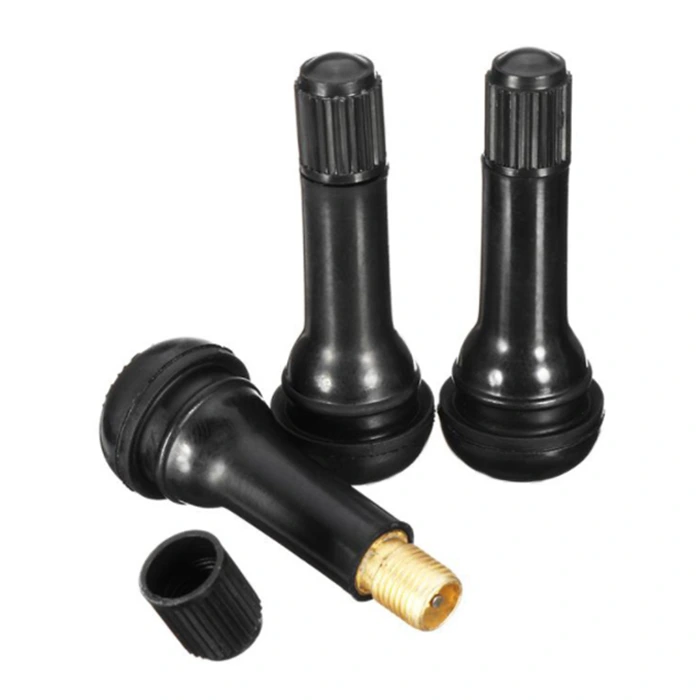
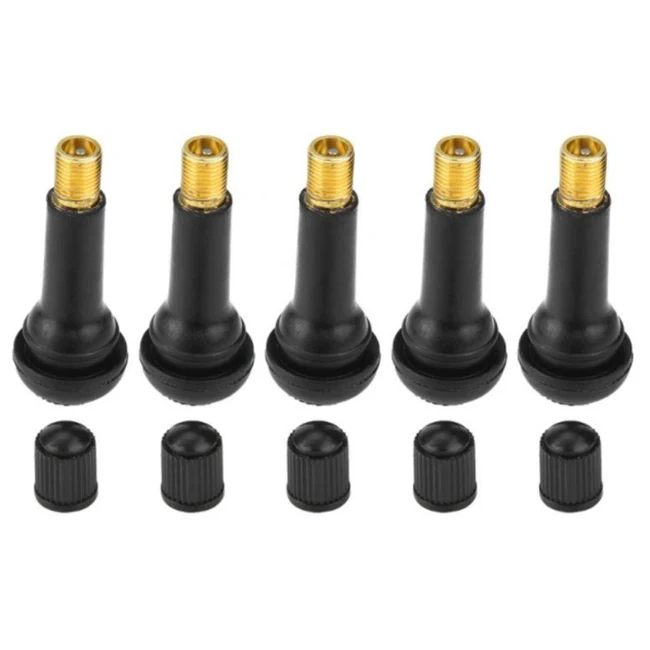
High-quality car tire valves are manufactured to resist pressure, heat, corrosion, ozone exposure, and mechanical stress. They consist of three major elements—valve body, valve core, and valve cap—often engineered with reinforced rubber, brass, aluminum alloy, or nickel-plated steel for long-term durability.
| Parameter Category | Specification Details |
|---|---|
| Material Options | Brass valve core, EPDM rubber stem, aluminum alloy stem body, nickel-plated copper components |
| Valve Types | TR413, TR414, TR415, TR418 snap-in valves; high-pressure clamp-in valves; metal tubeless valves |
| Pressure Range | Standard 65 PSI; high-pressure up to 200 PSI for commercial or specialty applications |
| Temperature Resistance | -40°C to 120°C continuous use; reinforced models up to 150°C |
| Seal Design | Dual-seal rubber gaskets, corrosion-resistant cores, air-tight compression fittings |
| Stem Length Options | 28 mm–62 mm customizable, depending on wheel design |
| Compatible Wheel Types | Passenger cars, SUVs, light trucks, commercial vehicles, off-road tires, aluminum & steel rims |
| Certifications | ISO/TS 16949, CE compliance, OEM-grade quality inspection standards |
| Service Life | 3–7 years depending on environmental exposure and driving frequency |
These specifications reflect the structural stability and functional reliability of advanced tire valves, ensuring they meet both everyday driving needs and demanding industry standards.
The valve core allows air to enter during inflation and tightly seals under pressure. If the seal is compromised, even by a fraction of a millimeter, air leakage becomes unavoidable. High-precision valves maintain a stable internal pressure, ensuring predictable handling and braking performance.
Under-inflation increases rolling resistance. Stable inflation achieved through high-quality valves can reduce unnecessary fuel consumption by up to 10%, especially on long-distance or highway driving.
Better materials resist heat from braking and road friction, while corrosion-resistant coatings prevent degradation caused by moisture and salt. This ensures consistent inflation even in severe weather conditions.
Modern vehicles equipped with Tire Pressure Monitoring Systems require precise air retention to provide accurate digital readings. Metal clamp-in valves with superior structural stability support seamless integration with TPMS sensors, preventing malfunction warnings caused by pressure fluctuations.
Maintaining proper air pressure reduces uneven tread wear and guards against blowouts caused by excessive sidewall flexing or overheating.
Electric vehicles (EVs) typically run heavier due to battery weight, creating additional stress on tires. As a result, EVs require valves capable of sustaining higher load-related pressure variations without long-term degradation.
Connected-car ecosystems push tire valves toward integrated micro-sensor compatibility, enabling real-time monitoring of pressure, temperature, and leak detection. This shift demands valves with advanced shielding against signal interference and moisture penetration.
Aluminum alloy and reinforced polymer valves reduce wheel weight, contributing to overall fuel economy and aerodynamic efficiency—particularly useful in performance vehicles.
Innovations include recyclable high-density polymers, low-energy manufacturing processes, and eco-friendly coatings designed to reduce environmental impact while improving surface durability.
Replace valves every time new tires are mounted
Ensure proper torque for metal clamp-in valves
Inspect rubber stems for cracks or deformation
Apply lubricant during installation to prevent damage
Check tire pressure at least twice a month
Inspect valve caps and replace if cracked or missing
Avoid overtightening valve cores
Clean valves regularly to avoid dirt blockage
A high-quality tire valve typically lasts between 3 and 7 years. However, replacement is recommended whenever new tires are installed, as rubber components degrade over time due to heat, UV exposure, and ozone. Replacing valves proactively prevents unexpected air leaks and ensures stable tire pressure.
Common indicators include slow air leakage, cracked rubber stems, loose valve cores, or unusual pressure drops. If a tire loses pressure overnight or after high-speed driving, the valve should be inspected immediately. A submerged water test—looking for rising air bubbles—can help confirm micro-leaks.
Future valve systems may include embedded sensors for automated diagnostics, supporting autonomous vehicles and predictive maintenance platforms.
Commercial transport, off-road exploration, and performance racing vehicles increasingly require high-pressure and heat-resistant valves, pushing the industry toward more advanced alloys and reinforced composite materials.
As vehicle manufacturers unify safety and performance benchmarks worldwide, tire valves must meet higher levels of precision, durability, and temperature tolerance.
With growing emphasis on vehicle customization, drivers increasingly seek visually enhanced metal valves, color-coated caps, and long-stem models compatible with modified wheels.
Advanced car tire valves represent a crucial but often underestimated automotive component. By ensuring precise inflation, stable performance, and reliable air retention, they protect both drivers and vehicles from preventable risks. Their contribution extends beyond simple air control, impacting fuel economy, tire longevity, braking response, and overall road safety.
As the automotive industry evolves toward electrification, smart connectivity, and higher performance benchmarks, innovative tire valve design becomes increasingly essential.
For professional-grade solutions backed by strict quality control and refined manufacturing expertise, Ningbo Haishu Yinping Auto Parts Co., Ltd. provides a comprehensive range of snap-in, clamp-in, and high-pressure valves engineered for modern vehicle requirements. To learn more about customized valve options or OEM collaboration opportunities, contact us for detailed product support and technical consultation.